

About Gunsmiths
 The role of the gunsmith was predated by early gunmakers who hand crafted
early firearms that were often decorated. Many decorated handguns
featured bronze or silver barrels and ornately embellished wheel-locks,
with the earliest examples dating from the 1530s. Gunsmiths of the
16th and 17th centuries often entered their trade after gaining experience
crafting small furniture, because Staghorn and ebony were widely used for
desks and cabinets as well as the wooden stocks of firearms. At the
beginning of the 16th century, highly decorated firearms began to be more
widely produced, and gun-making centers developed, utilizing their own
patterns. Today it is not unusual to find antique firearms etched
and gilded in French Rococo, Neo-Classical, and Gothic Revival styles.
The role of the gunsmith was predated by early gunmakers who hand crafted
early firearms that were often decorated. Many decorated handguns
featured bronze or silver barrels and ornately embellished wheel-locks,
with the earliest examples dating from the 1530s. Gunsmiths of the
16th and 17th centuries often entered their trade after gaining experience
crafting small furniture, because Staghorn and ebony were widely used for
desks and cabinets as well as the wooden stocks of firearms. At the
beginning of the 16th century, highly decorated firearms began to be more
widely produced, and gun-making centers developed, utilizing their own
patterns. Today it is not unusual to find antique firearms etched
and gilded in French Rococo, Neo-Classical, and Gothic Revival styles.
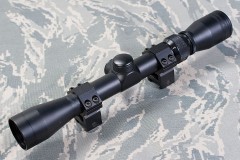
Modern gunsmiths repair firearms and modify them to customer specifications using grinders, drill presses, lathes, saws, planers and millers. Many gunsmiths restore antique guns as well as convert stock rifles, and they may work for gun manufacturers, sporting goods stores, or be self employed. Gunsmiths must be experts in handling, operating, assembling, and adjusting firearms. They must be able to fit the action and barrel into the stock and attach optical sights, pistol grips, recoil pads, and choking devices.
Previous experience with woodworking, metalwork, and technical drawing are advantageous. Many gunsmiths complete formal studies or take an apprenticeship under a gun manufacturer to gain experience. Those with gunsmith training should have little problem finding employment, as there are relatively few trained gunsmiths to fit the demand.
For information about gunsmith training programs, visit the American Gunsmithing Institute, Yavapai Gunsmithing School, and Pennsylvania Gunsmith School websites.
Related Directory Pages
 Guns Wholesale & Manufacturers |
 Hunting |
 Gun Accessories Wholesale & Manufacturers |
|---|